- Exhibition Info
- Exhibitors
- Visitors
- News Center
Contact Us
-
Public Platform


Why does the country insist on developing whole grains? Three reasons, each of which is relevant to you. Published on: 2026-09-15 10:33:45 Category: Industry News In December 2024, seven departments including the National Development and Reform Commission and the National Food and Material Reserve Administration jointly issued the "National Whole Grain Action Plan (2024-2035)". In 2026, "Implementing the Whole Grain Action Plan" was written into the national "15th Five-Year Plan".
Why does the country make such great efforts to promote whole grains?
The answer lies in three dimensions.
Image 1. Saving food and reducing losses: 20% more food rations
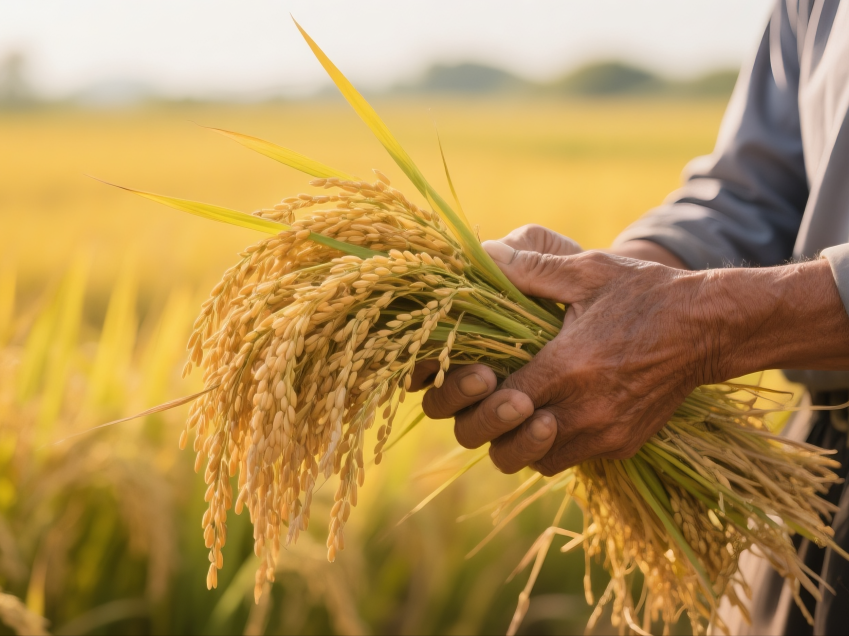
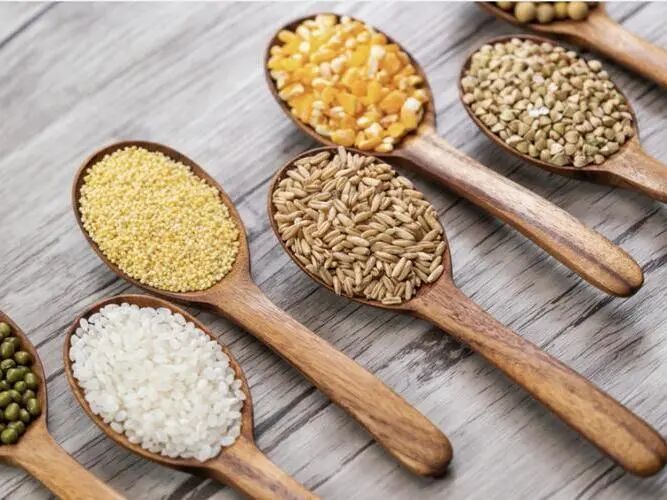
A natural grain consists of three parts: endosperm, germ, and seed coat. Whole grain refers to the grain kernel that retains its complete caryopsis structure after only removing inedible parts such as the husk, and possesses intact endosperm, germ, and seed coat.
What about refined grains? During the processing, the germ and bran are removed, leaving only the endosperm - that is, the refined rice and flour we often refer to.
What is the gap between the products of
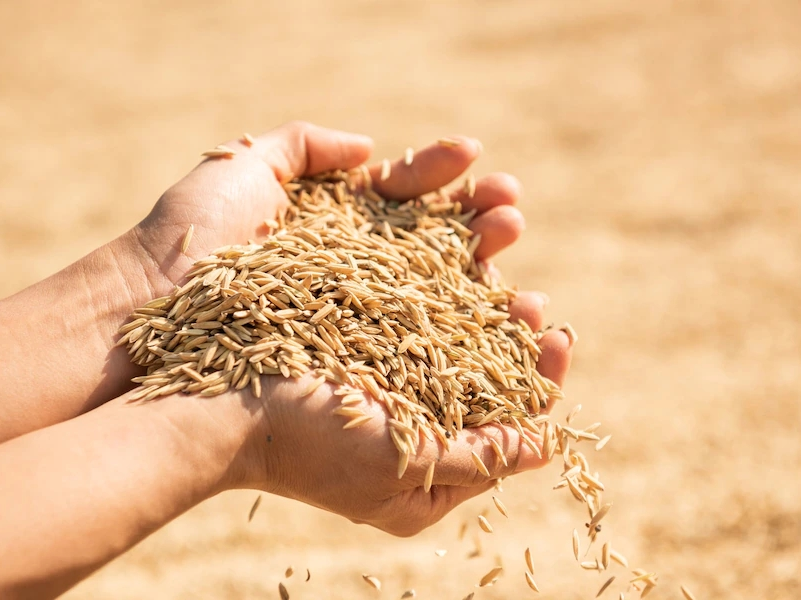
The yield of whole grains can reach over 98%. However, the yield of refined grain products is only 65% to 75% - the average flour yield of wheat in China is 70% to 75%, and the average rice yield in rice processing is only about 65%.
Processing the same batch of grain into whole grains can yield 20% to 30% more than processing it into refined rice and white flour.
Tan Bin, Chief Scientist of the Academy of National Food and Material Reserve Administration, made an illustrative analogy: under the whole grain mode, the extraction rate of whole wheat flour can reach over 98%, akin to adding an "invisible fertile land". Tan Bengang, President of the Academy of National Food and Material Reserve Administration, also explicitly stated that whole grains can maximize the edible utilization rate of grain, "equivalent to developing an 'invisible grain field', which is of strategic significance for ensuring food security".
With a population of 1.4 billion, the significance of every additional jin of grain is self-evident.
Picture 2: National Nutrition: Addressing "Hidden Hunger"
Despite having three meals a day, one may still suffer from "hidden hunger" due to insufficient intake of dietary fiber and B vitamins.
Data speaks the truth. The daily dietary fiber intake per capita of Chinese residents is only one-third of the recommended amount, and vitamin B1 intake is about half. The recommended daily dietary fiber intake for adults is 25 to 30 grams, but the actual intake is only 10.2 grams.
Whole grains contain 40% to 90% more B vitamins such as vitamin B1, B2, folic acid, and niacin, as well as trace nutrients like calcium, iron, and zinc, compared to refined grains. Whole grains retain the natural dietary fiber, micronutrients, and bioactive substances in grains to the greatest extent, earning them the title of being a natural "nutrient package".
Wang Hong, spokesperson for the National Food and Material Reserve Administration, put it bluntly: "Increasing the supply and consumption of whole grains is not only conducive to saving grain and reducing losses, but also to enhancing food security and promoting balanced nutrition consumption, thereby improving people's health."
Currently, China is still generally in the stage of pursuing refined grain consumption, "which is not conducive to the health of the people and also results in a large amount of waste of edible grain resources.".
Image 3: Industrial upgrading: a vast space between 1% and 35%
The proportion of whole grain consumption in China's grain consumption is less than 1%. In some developed countries, the proportion of whole grain consumption has reached 20% to 35%. For instance, in Germany, the per capita daily intake of whole grains in 2021 was as high as 132.6 grams, accounting for 33.93% of grain consumption.
The difference between 1.png and others is as big as the space it occupies.
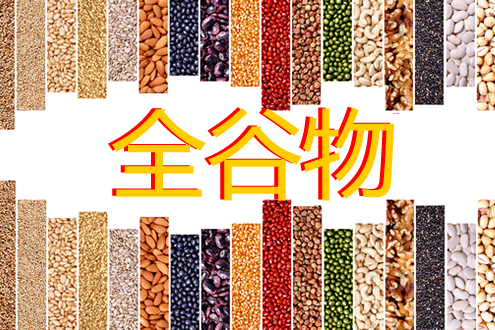
The "National Whole Grain Action Plan" proposes that by 2035, the proportion of whole grains in residents' dietary consumption will increase significantly, and the level of whole grain consumption will basically match the level of China's economic and social development. Liu Huanxin, Director of the State Administration of Grain and Material Reserves, stated that the development of whole grains "can drive the upgrading of grain consumption and the optimization of residents' dietary structure.".
495-330-2.png The development of whole grains in a country means saving grain, reducing losses, and improving the quality of food on the dining tables of 1.4 billion people. Ultimately, this comes down to each individual's bowl - simply replacing some of the white rice with whole grains is enough.