- Exhibition Info
- Exhibitors
- Visitors
- News Center
Contact Us
-
Public Platform


Mix yogurt and whole grain cereal, stir briefly, and then serve it to the people who come for tasting and inquiries. In recent days, Liu Yanxiang, an associate researcher at the Grain and Oil Processing Research Institute of the Academy of National Food and Material Reserve, has transformed into a "Healthy Food Recommender" and received thousands of diners.
In December 2024, seven departments jointly issued the "National Whole Grain Action Plan (2024-2035)", and the "Whole Grain Action Plan" was also included in the "15th Five-Year Plan" outline.
At the 8th China Grain Trading Conference held in Changsha from September 5th to 7th, the "Whole Grain Food Zone" booth was prominently displayed. A continuous stream of visitors learned about this healthy dietary concept through personal tasting.
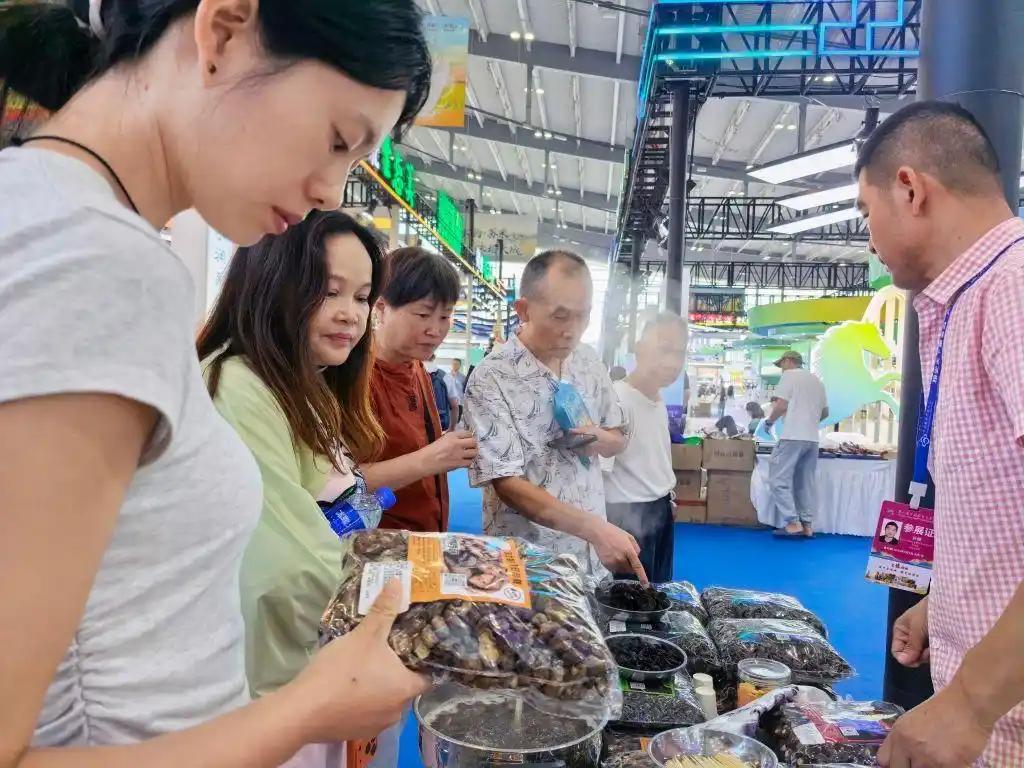
Visitors are tasting whole grain foods. Photographed by Zhou Mian, a reporter from Xinhua News Agency. "In the past, due to the pursuit of deliciousness and appearance, excessive processing of staple foods was common, resulting in the loss of many nutrients. Nowadays, people not only pursue taste but also pay more and more attention to nutrition," Liu Yanxiang explained. Because whole grain foods retain their complete structure, including the husk, endosperm, and germ, they may exhibit characteristics such as astringency and difficulty in chewing and swallowing to varying degrees. However, nutrients such as dietary fiber, anthocyanins, and vitamins are precisely concentrated in these parts of the structure.
"In order to find a balance between taste and nutrition, we have collaborated with multiple grain processing enterprises to develop an integrated technology system for the key technologies and core equipment of large-scale processing of whole grain crisps," said Liu Yanxiang. The whole grain crisps, whole grain millet crisps, and mixed whole grain cereals produced through this system can be eaten soaked, used in soup, or as snacks, and are very popular in the market.
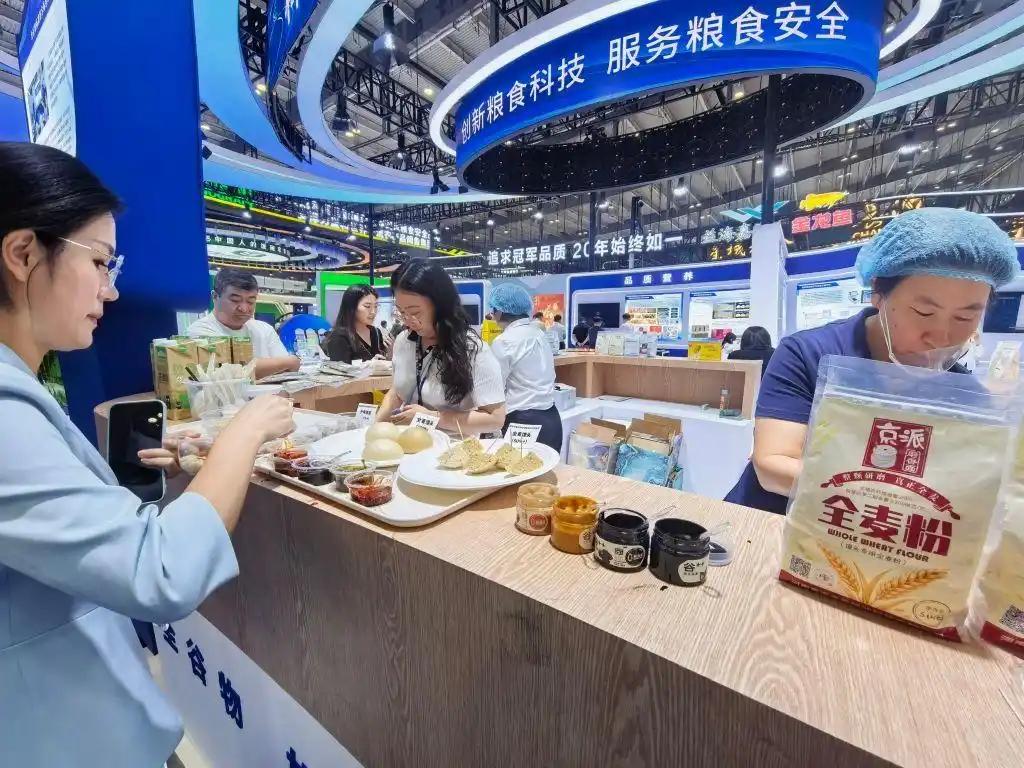
Visitors are selecting whole grain foods. Photographed by Zhou Mian, reporter of Xinhua News Agency. In the exhibition area of Shaoxing Wujingkang Food Technology Co., Ltd., a set of counter-current suspension milling equipment developed by the company attracted many industry insiders. Jin Jinbiao, the general manager of the company, introduced that this equipment preserves the nutritional components contained in the germ, endosperm, bran, and other parts of whole grains through low-temperature constant temperature freshness preservation, and can increase the original fineness of whole grain powder from 60 to 80 mesh to over 100 mesh, thus solving the problem of rough texture in whole grain foods.
"Before 2025, there were only 2 restaurants that had signed supply contracts with us, but now the number has exceeded 1,000," Wang Junjie, General Manager of Zhejiang Wangjia Granary Supply Chain Co., Ltd., told reporters. In addition to traditional channels such as restaurants and supermarkets, which maintain a monthly growth rate of 3%, online sales such as group buying and live streaming are also booming. The company has also initiated school-enterprise cooperation with universities such as Zhejiang University of Technology to further develop whole grain products that balance taste and nutrition.
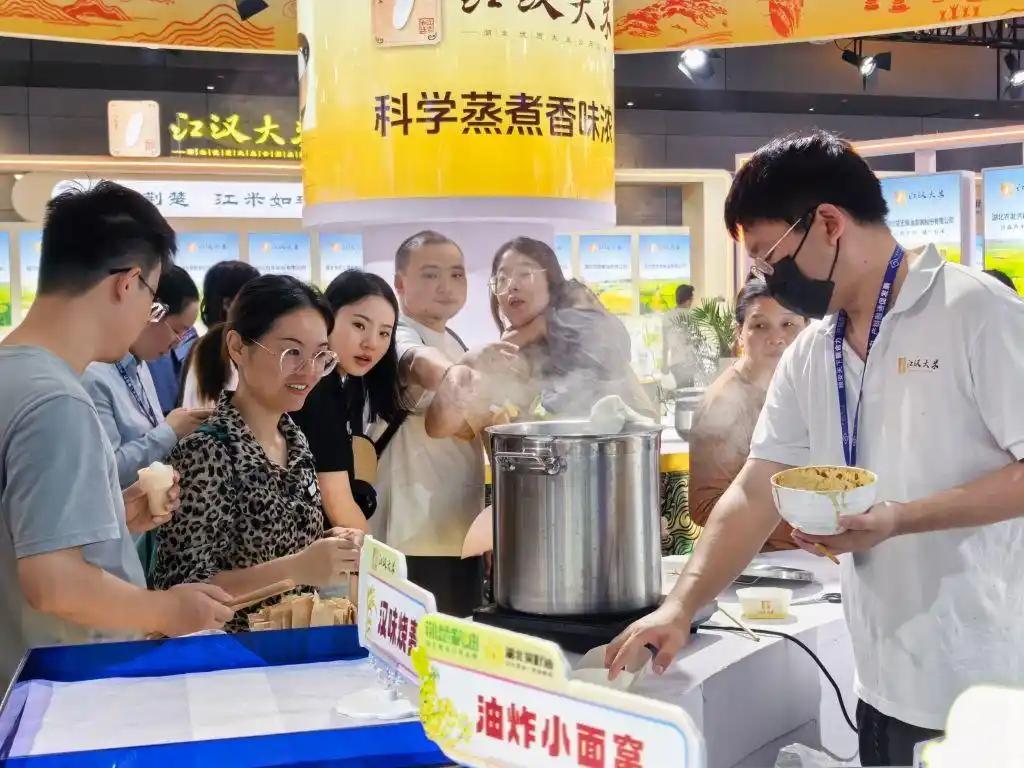
Staff members prepare food for visitors. Photographed by Zhou Mian, reporter of Xinhua News Agency. At the Grain Trade Fair, reporters also learned that efforts are being made at the breeding end to strike a balance between taste and nutrition. Xinjiang Nuobixin Agricultural Technology Co., Ltd. has currently selected multiple exclusive varieties of whole grains, among which "Xinchun 36" black wheat has been promoted in tens of thousands of acres locally. Zhang Yongjun, the company's chairman, introduced that foods made from these new varieties, such as leba, mooncakes, and cookies, have a crispy texture and a strong wheat aroma. Sales have increased by 60% year-on-year since this year.
According to statistics from the National Food and Material Reserve Administration, as of now, China has formulated and revised a total of 18 standards for various types of whole grains, and has initially established a standard system for whole grains. (Reporter Zhou Mian)
Source: Xinhua News Agency